Wedding flowers for Farthing Downs ceremonies
Posted on 28/09/2026
If you are planning Wedding flowers for Farthing Downs ceremonies, you are probably trying to balance a very real mix of things: a beautiful setting, weather that may decide to be a bit unpredictable, and a floral design that looks effortless without being fussy. That is the sweet spot. Farthing Downs has a natural, open feel that suits flowers beautifully, but it also asks for a thoughtful approach. Too much structure can feel heavy. Too little, and the whole look may disappear into the landscape.
This guide walks you through what works, what to avoid, how to choose flowers that suit the day, and how to keep everything practical from first ideas to the ceremony itself. Whether you want something quietly elegant, rustic, romantic, or full of soft colour, the right flowers can make the setting feel personal and complete. And, truth be told, that is usually what couples want most: not "more flowers", just the right ones.
Expert summary: Farthing Downs ceremonies tend to suit florals that are natural, balanced, and weather-aware. Keep your palette cohesive, your stems sturdy enough for outdoor conditions, and your setup simple enough to hold its shape if the wind picks up. Beautiful is good. Practical is better. Both together is ideal.
- Why Wedding flowers for Farthing Downs ceremonies Matters
- How Wedding flowers for Farthing Downs ceremonies Works
- Key Benefits and Practical Advantages
- Who This Is For and When It Makes Sense
- Step-by-Step Guidance
- Expert Tips for Better Results
- Common Mistakes to Avoid
- Tools, Resources and Recommendations
- Law, Compliance, Standards, or Best Practice
- Options, Methods, or Comparison Table
- Case Study or Real-World Example
- Practical Checklist
- Conclusion
- Frequently Asked Questions
Why Wedding flowers for Farthing Downs ceremonies Matters
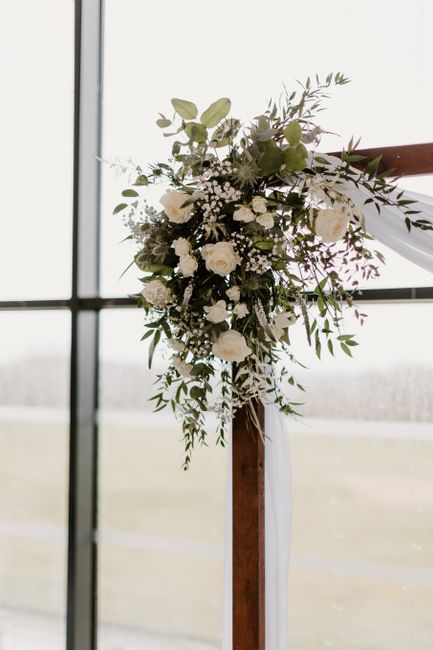
Flowers do more than decorate a ceremony. They set tone, help frame photographs, and quietly tell guests what kind of day this is. At Farthing Downs, that matters even more because the surroundings already carry a strong sense of place. You are working with open views, fresh air, and a landscape that feels close to nature rather than formal and enclosed. The flowers need to complement that, not fight it.
That is why the best floral plans for a Farthing Downs ceremony tend to be restrained in the right ways. A bouquet with loose movement can look lovely against the chalk downland. A buttonhole with a little texture feels more at home than something overly rigid. A ceremony arrangement that echoes the colours of the season can make the whole scene feel coherent, almost as if it grew there naturally. And yes, that is a lovely effect when it works.
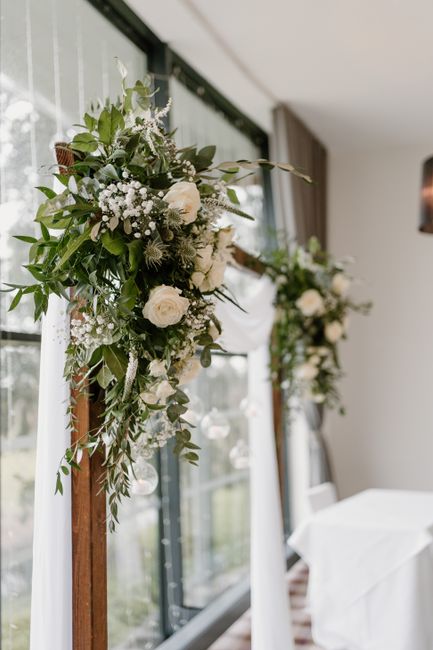
There is also a practical side. Outdoor or semi-outdoor ceremony settings often need flowers that can cope with daylight, breeze, and transport without collapsing halfway through the day. That does not mean sacrificing style. It just means the styling should be designed with the setting in mind. A wedding florist who understands local conditions will think about stem strength, water source, timing, and display method long before the flowers reach the venue.
How Wedding flowers for Farthing Downs ceremonies Works
The process usually begins with the ceremony style, then moves into palette, flower selection, and logistics. For Farthing Downs, the first question is often not "what is trending?" but "what suits the landscape and the season?" That subtle shift changes everything.
Here is the basic flow:
- Start with the ceremony plan. Think about the number of guests, the type of ceremony space, and whether the flowers need to be carried, placed, tied, or installed.
- Choose the mood. Soft romance, natural meadow-style, classic white, bold seasonal colour, or a mixed palette all create a different effect.
- Select the key floral elements. Most couples focus on the bridal bouquet first, then bridesmaid bouquets, buttonholes, and ceremony flowers. Table flowers and reception pieces can follow.
- Match flower choice to the conditions. Some blooms cope better with warmth and movement than others. This matters outdoors, even on a cool British day.
- Plan delivery and placement. The timing is important. Flowers should arrive close enough to the ceremony to look fresh, but not so late that setup becomes rushed.
- Check the final visual balance. You want the flowers to frame the day, not dominate it. A gentle rule, but a useful one.
If you are choosing from a florist's wedding range, it helps to think in layers. A bouquet is the personal focal point. Buttonholes and corsages add continuity. Ceremony arrangements anchor the space. Reception flowers, if included, carry the same style forward so the day feels joined up rather than pieced together at the last minute. That little bit of consistency makes a big difference in photos too.
For couples looking at broader wedding options, it can help to start with a dedicated wedding collection such as wedding flowers and then narrow down the exact bouquets and accessories that suit the ceremony setting.
Key Benefits and Practical Advantages
Good wedding flowers do three jobs at once: they look beautiful, they support the ceremony experience, and they reduce stress on the day. That last part gets overlooked far too often.
- They create a clear visual story. Flowers help unify outfits, venue styling, and the natural backdrop.
- They photograph well. A thoughtful bouquet or ceremony spray can lift an image instantly, especially in outdoor light.
- They soften the setting. Farthing Downs has an open, airy feel. Flowers add intimacy without clutter.
- They help with personal expression. You can reflect a favourite colour, a season, or even a family tradition.
- They can be scaled to fit. Small ceremony? Keep it lean. Larger celebration? Add structure and volume where it matters.
- They support the flow of the day. Buttonholes, corsages, and bouquets make the wedding party feel coordinated, which guests notice even if they cannot quite say why.
There is a practical bonus too: when flowers are chosen with the venue and timing in mind, they are usually easier to transport, set up, and keep looking fresh. Nobody wants a bouquet that looks dreamy in the morning and tired by lunchtime. Been there, seen that. Not ideal.
Who This Is For and When It Makes Sense
This approach is especially useful for couples planning a ceremony at Farthing Downs who want the day to feel natural, elegant, and unforced. It suits people who love the outdoors but still want a polished result. It also works well if you are not trying to cover the entire site with flowers, which, to be fair, is usually the smarter move.
It makes sense if you are:
- holding an intimate ceremony with a small guest list
- planning an outdoor or nature-led wedding aesthetic
- wanting flowers that look classic in photos and close-up alike
- working to a sensible budget but still want a thoughtful finish
- bringing together different elements, such as bouquets, buttonholes, and table arrangements
- needing a florist who understands practical wedding day timing
It is also a good fit for couples who feel unsure where to begin. Let's face it, flowers are one of those details that sounds simple until you start choosing between a dozen shades of white, cream, blush, ivory, and "soft natural with just a hint of meadow". A clear structure saves time and avoids second-guessing.
If you are browsing by style rather than by venue, a focused product range such as bridal bouquets can be a helpful starting point, especially when you are deciding how much movement or fullness you want in the finished look.
Step-by-Step Guidance
Here is a practical way to plan wedding flowers for a Farthing Downs ceremony without getting overwhelmed.
1. Decide the overall feeling first
Start with mood, not stems. Do you want soft and romantic, crisp and refined, wild and loose, or quietly luxurious? This makes the rest of the choices much easier. A bouquet can be beautiful on its own, but when it matches the atmosphere of the ceremony, it feels right.
2. Look at the setting in daylight
Farthing Downs has a natural brightness that can change flower colour quite a bit in photos. Pale flowers can glow beautifully, while very dark blooms may read differently depending on the time of day. If your ceremony is later in the afternoon, you may notice warmer tones coming through. Small detail, but it matters.
3. Choose a core palette
Keep the main palette to two or three shades, then add texture through foliage and smaller accent flowers. For example, white and green feels fresh and timeless; blush, cream, and lilac feels softer and more romantic; and mixed seasonal colour can feel cheerful without going chaotic. There is a line. Best not to cross it.
4. Select the hero pieces
The bridal bouquet usually leads the design. From there, decide whether bridesmaid bouquets and buttonholes should match exactly or simply echo the same style. For a cohesive ceremony, that echo is often enough. If you want a little variety, try keeping shape consistent while changing scale or colour intensity.
5. Build the ceremony flowers around the space
At Farthing Downs, less can be more. Depending on the setup, one well-placed arrangement may do more than several smaller pieces scattered around. Ask where photographs will be taken and where guests will naturally gather. Those are your key spots.
6. Confirm delivery and holding arrangements
Fresh flowers need a sensible delivery window. The florist should know when the ceremony starts, how long setup will take, and whether the flowers need water until the last moment. If the day is warm, timing becomes even more important.
7. Check the practical details before the day
Make sure names, quantities, colours, and any personal requests are clearly written down. If you are using heirloom ribbons, special charms, or a specific flower meaning, mention it early. Last-minute changes are possible, but they are easier when the base plan is already settled.
Expert Tips for Better Results
After many wedding conversations, a few patterns become obvious. The couples who get the best floral results usually focus on calm, simple decisions that hold up well in real life. Not glamorous advice, perhaps, but very useful.
- Choose strong stems for outdoor settings. Garden-style flowers can be lovely, but they should still travel well and stay presentable for the full ceremony window.
- Think about movement. A bouquet that drapes naturally often suits Farthing Downs better than something too tight or boxy.
- Do not ignore scale. A bouquet that feels lush indoors may read smaller in open countryside light. Slightly more volume can help.
- Keep the palette intentional. Random colour mixing can look unplanned in a setting that already has a lot of natural texture.
- Coordinate with outfits. Flowers and clothing do not need to match exactly, but they should not clash. That part can be sneaky.
- Ask for alternatives. A good florist will often suggest substitutes if a favourite bloom is out of season or not at its best.
A small, overlooked tip: take the bouquet shape seriously. Rounded bouquets, cascading styles, and looser hand-tied designs all communicate something different. If you are unsure, ask to see examples in the florist's wedding range before deciding. A visual reference saves a lot of back-and-forth and a few "actually, I meant something a bit softer" moments.
For couples who want coordinated finishing touches, pieces like wedding buttonholes and table arrangements help carry the same design language through the day without making everything feel overdone.
Common Mistakes to Avoid
The most common mistakes are not dramatic. They are small planning issues that become obvious only when the flowers are on site and the clock is moving. A bit annoying, but avoidable.
- Choosing flowers without thinking about the venue. A design that works in a hotel ballroom may feel out of place at Farthing Downs.
- Overcomplicating the arrangement. Too many flower types can make the design look busy rather than refined.
- Ignoring weather conditions. Breeze, sun, and transport all affect how flowers perform.
- Leaving delivery too late. Ceremony flowers need breathing room for setup and last checks.
- Forgetting the smaller items. Buttonholes, corsages, and bouquet ribbons matter more than people expect.
- Not confirming sizes. A bouquet size that sounded lovely in conversation may look very different in real life.
- Expecting every flower to be available at any time of year. Seasonality is real, and it is usually better to work with it than against it.
Another quiet mistake is trying to make every floral element equally important. The bouquet should lead. The rest should support. If everything shouts, nothing sings. Bit dramatic, yes, but accurate.
Tools, Resources and Recommendations
You do not need a huge toolkit to plan wedding flowers well, but a few practical resources can make the process much smoother.
- A mood board. Collect a few images showing bouquet shape, colour tone, and overall style. Keep it focused.
- A simple flower list. Write down preferred flowers, backup choices, and anything to avoid due to allergy or personal preference.
- A ceremony schedule. Timing helps the florist decide when flowers should be cut, conditioned, delivered, and placed.
- A colour reference. Even phone photos of dress fabric, ties, or stationery can help a florist match tones more accurately.
- A product shortlist. Review the florist's wedding collection and narrow your choices before requesting final suggestions.
If you are looking for coordinated wedding pieces, starting with the broader wedding bridal bouquets range and then adding matching items such as bridesmaid bouquets can make the whole process feel far less chaotic.
Useful flower types for this kind of ceremony often include roses, lilies, lisianthus, orchids, hydrangeas, and textured supporting blooms. They do not all need to be used together, of course. Sometimes one or two families of flowers is enough. That restraint often looks more expensive than a crowded mix, which is slightly unfair, but there it is.
Law, Compliance, Standards, or Best Practice
Wedding flowers themselves are not heavily regulated in the way some services are, but there are still sensible standards and best practices worth following. For ceremonies at or near outdoor venues, the main issues are practical rather than legal: safe placement, clear access, and respectful use of the space.
Good practice includes:
- checking venue permissions before installing any larger floral pieces
- keeping walkways clear so guests, staff, and the wedding party can move safely
- avoiding unstable displays that could tip in wind or on uneven ground
- being considerate of wildlife and surroundings in a natural setting
- confirming allergen concerns if any guests are sensitive to strong scents or pollen
- using responsible waste handling for ribbons, packaging, and any floral foam or transport materials
Florists in the UK also tend to follow standard expectations around freshness, communication, and fair substitution when seasonal availability changes. If a flower is unavailable, the best approach is to discuss a close alternative that preserves the look and feel of the design. That is simply good professional practice.
If sustainability matters to you, it is worth asking how the flowers are sourced and what can be reused or recycled after the ceremony. A small decision there can make the whole day feel a bit more thoughtful.
Options, Methods, or Comparison Table
For Farthing Downs ceremonies, the main decision is usually not whether to have flowers, but how to style them. Here is a simple comparison of common approaches.
| Floral approach | Best for | Strengths | Possible drawback |
|---|---|---|---|
| Minimal natural style | Small ceremonies, relaxed outdoor settings | Elegant, easy to place, suits the landscape | Can feel too simple if not planned carefully |
| Classic white and green | Timeless, formal, photography-led weddings | Fresh, versatile, works in most weather | Needs texture to avoid looking flat |
| Soft romantic palette | Blush, ivory, lilac, or pastel weddings | Gentle, flattering, very adaptable | Light tones may need careful handling outdoors |
| Seasonal colour mix | Couples wanting a warmer, more expressive feel | Personality, energy, strong visual impact | Can look busy if too many colours are used |
| Luxury layered design | Higher-budget celebrations with multiple floral points | Full, polished, highly coordinated | More setup time and more moving parts |
If you are unsure, the safest route is usually a balanced natural style with one clear colour family. It is easier to maintain, easier to transport, and easier to love six months later when you look back at the photos. Which, let's face it, is the real test.
Case Study or Real-World Example
Imagine a couple planning a late-spring ceremony at Farthing Downs. They want the flowers to feel romantic, but not overly formal. The bride prefers soft ivory blooms with a hint of blush, while the groom wants buttonholes that are discreet and not too fussy. They also know the ceremony will be outdoors, so they want something that looks good in the breeze and does not demand a complicated setup.
The florist suggests a simple approach: a hand-tied bridal bouquet with roses, lisianthus, and airy foliage; smaller bridesmaid bouquets that echo the same tones; and buttonholes kept light and tidy. For the ceremony space, instead of several large displays, they use one paired arrangement at the focal point where most photos will be taken. The result feels calm, elegant, and very much in tune with the setting.
What worked well? They made decisions early, kept the palette tight, and trusted the venue's natural backdrop. Nothing was trying too hard. Guests noticed the flowers, of course, but they did not overwhelm the moment. That is usually the aim. The flowers support the ceremony instead of elbowing their way into it.
For a couple wanting the same sense of coordination, a pairing like wedding corsages and a matching table arrangement range can keep the overall styling consistent from ceremony to reception.
Practical Checklist
Use this checklist to keep your planning grounded and your final flower choices well matched to a Farthing Downs ceremony.
- Have you chosen the overall mood: romantic, classic, natural, or seasonal?
- Do your flowers suit an outdoor or open-air setting?
- Have you selected a core colour palette with no more than three main tones?
- Is the bridal bouquet the clear focal point?
- Are bridesmaid bouquets, buttonholes, and corsages coordinated?
- Have you confirmed the delivery time and ceremony start time?
- Do you know where ceremony flowers will be placed?
- Have you checked whether any blooms are seasonal or may need substitutes?
- Are the flowers likely to stay fresh and stable for the full event window?
- Have you shared outfit colours, venue notes, and any allergies with the florist?
- Have you thought about what happens to the flowers after the ceremony?
A final tip here: if you are torn between two choices, ask which one is easier to live with on the day. The answer is usually the right one. Weddings have enough moving parts already.
Conclusion
The best Wedding flowers for Farthing Downs ceremonies are the ones that feel natural to the setting and easy to enjoy on the day. That means balancing beauty with practicality, choosing flowers that suit the season, and keeping the design thoughtful rather than overloaded. The ceremony site already does a lot of the work. Your flowers should add warmth, colour, and a sense of intention without competing with the view.
When you plan well, the flowers do more than decorate the space. They shape the atmosphere, help your photos feel timeless, and give the ceremony a quiet sense of care. That is the part people remember, really. The small details done properly. The soft hush before the vows. The bouquet in your hands. The little smile when everything just clicks into place.
Get a free quote today and see how much you can save.
And if you are at the point of deciding between styles, trust the setting a little. Farthing Downs has its own voice. The best flowers simply answer it beautifully.
Frequently Asked Questions
What flowers work best for a Farthing Downs wedding ceremony?
Flowers that hold their shape well and suit an outdoor, natural backdrop usually work best. Roses, lisianthus, hydrangeas, lilies, orchids, and textured seasonal greenery are all strong options, depending on the look you want. The key is balance rather than volume.
Should wedding flowers for Farthing Downs ceremonies be simple or elaborate?
Simple often works beautifully because the setting already has plenty of character. That said, a more elaborate design can still work if it is carefully scaled and weather-aware. The right answer depends on your ceremony style, guest count, and budget.
How far in advance should I arrange the flowers?
As soon as you know the ceremony date and the main style you want. Early planning gives you a better chance of securing your preferred flowers and refining the design without rushing. For seasonal blooms, earlier is usually wiser.
Can I match my bouquet to the natural surroundings at Farthing Downs?
Yes, and that is often one of the best approaches. Soft greens, whites, blush tones, pale lilac, and muted seasonal shades can sit very comfortably against the landscape. You do not need to blend in completely, but harmony helps.
What if my favourite flower is out of season?
A good florist will suggest a close alternative that keeps the feel of the design intact. Sometimes the substitute is so similar that no one would know. Other times it gives you a slightly better result for the season, which is not a bad thing at all.
Are wedding buttonholes really necessary?
Not essential, but they do help create a coordinated look. Even one or two well-chosen buttonholes can make the wedding party feel more together visually. For many ceremonies, they are a small detail that adds polish.
How do I keep outdoor flowers looking fresh?
Timing, transport, and water access are the main things. Flowers should be delivered close enough to the ceremony to stay fresh, kept cool where possible, and set up with care. Choosing sturdy blooms helps too. It is the boring answer, but the right one.
Can I have a very small floral package for a Farthing Downs ceremony?
Absolutely. In fact, smaller floral packages can work especially well in an open natural setting. A bouquet, a few buttonholes, and one or two ceremony pieces may be enough to create a complete look without overdoing it.
What colours are most popular for wedding flowers in this kind of setting?
White and green remains a classic choice, especially for clean and elegant styling. Soft blush, ivory, cream, lilac, and gentle seasonal shades are also popular because they sit comfortably in outdoor scenery and photograph well.
Do wedding flowers need special permission at the venue?
For larger installations or anything that needs fixing in place, venue approval is sensible and often necessary. Smaller hand-held pieces usually do not need special permission, but it is always best to confirm in advance so there are no surprises on the day.
How much should I budget for wedding flowers?
Budgets vary a lot depending on flower types, quantities, and the amount of setup required. The smartest approach is to decide your priority pieces first, then build the rest around them. That way you spend where it matters most.
Can I reuse ceremony flowers at the reception?
Yes, and many couples do. Ceremony arrangements can often be moved and repurposed for tables, a welcome area, or another focal point later in the day. It is a practical way to get more value from the flowers you have already chosen.